
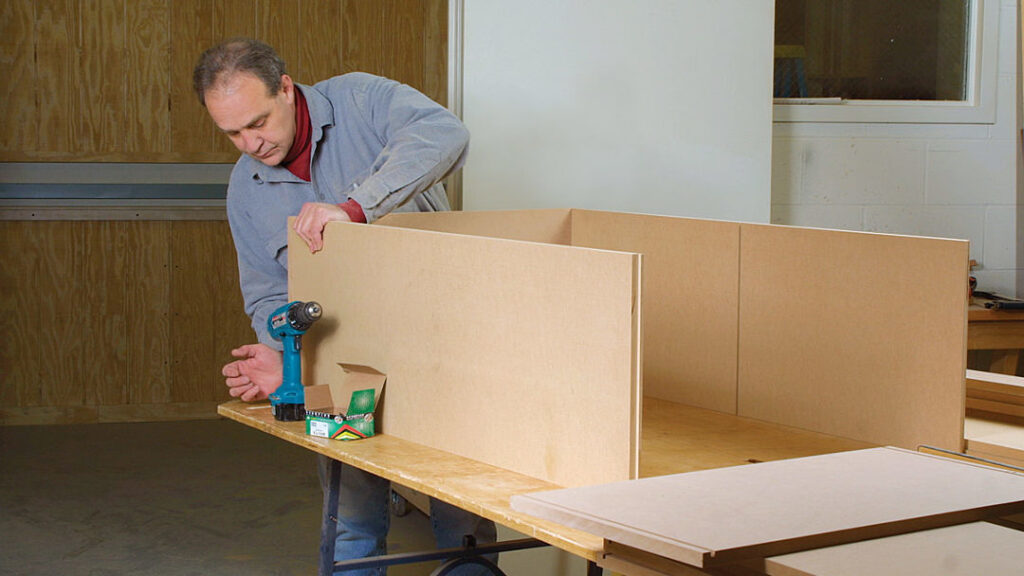
Introduction
When it comes to woodworking and construction, the type of material used can significantly impact the final product’s quality, durability, and aesthetic appeal. One material that has gained popularity in recent years is MDF or Medium Density Fiberboard. But what exactly is MDF wood? Is it a type of natural wood, or is it a man-made product? In this comprehensive guide, we will delve into the world of MDF, exploring its properties, uses, benefits, and how it compares to other types of wood.
What is MDF Wood?
MDF stands for Medium Density Fiberboard. It is an engineered wood product made by breaking down hardwood or softwood residuals into wood fibers. These fibers are then combined with wax and a resin binder, and the mixture is formed into panels by applying high temperature and pressure. The result is a versatile and durable material that is widely used in the construction and furniture industries.
The Manufacturing Process of MDF
The manufacturing process of MDF involves several steps. First, the wood residuals are broken down into fibers. This is typically done using a machine called a defibrillator, which uses steam and pressure to reduce the wood to a pulp-like consistency. The wood fibers are then mixed with wax and resin to add strength and stability. The mixture is then formed into panels using heat and pressure. The panels are then cooled and cut to size.
Properties of MDF
MDF is known for its excellent workability. It has a smooth surface that is free of knots and grain patterns, making it an ideal choice for applications that require a consistent and uniform finish. It is also very dense and flat, which makes it stable and resistant to warping. MDF is also relatively inexpensive compared to many other types of wood, making it a cost-effective choice for many applications.
Uses of MDF
MDF is a versatile material that can be used in a variety of applications. It is commonly used in the manufacture of furniture, cabinetry, and shelving due to its smooth surface and consistency. It is also used in the construction industry for interior applications such as wall paneling and flooring underlayment. MDF can also be used to make decorative moldings and trim.
Benefits of MDF
One of the main benefits of MDF is its affordability. It is typically less expensive than solid wood, making it a cost-effective choice for many applications. MDF is also very durable and resistant to warping, which makes it a long-lasting option. Its smooth surface and lack of grain make it easy to paint and finish, allowing for a wide range of aesthetic possibilities.
MDF vs. Solid Wood
While MDF and solid wood are both used in woodworking and construction, they have some key differences. Solid wood is a natural material that is known for its strength and durability. It has a natural grain pattern that many people find aesthetically pleasing. However, solid wood can be more expensive than MDF and is more susceptible to warping and splitting.
On the other hand, MDF is an engineered product that is more uniform and consistent than solid wood. It is less likely to warp or split, and its smooth surface makes it easy to finish. However, MDF is not as strong as solid wood and may not be suitable for some applications that require high strength.
MDF at Forma TradeCo
At Forma TradeCo, we are proud to offer high-quality MDF as part of our range of materials. Our MDF is sourced from reliable suppliers and is processed using state-of-the-art machinery to ensure the highest quality. Whether you need MDF for your construction project or for your furniture manufacturing needs, you can trust Forma TradeCo to provide you with the best materials.
How to Work with MDF
Working with MDF is similar to working with solid wood. It can be cut, drilled, and shaped using standard woodworking tools. However, due to its density, it can be harder on tools than solid wood. It’s also important to note that MDF produces fine dust when cut or sanded, so proper safety measures, including wearing a dust mask, should be taken.
Finishing MDF
One of the advantages of MDF is its smooth surface, which makes it easy to finish. It can be painted, varnished, or laminated to achieve the desired look. However, because MDF is so dense, it can absorb a lot of paint or varnish, so a primer is often recommended before finishing.
MDF and Sustainability
MDF is often seen as a more sustainable option than solid wood because it is made from wood residuals that might otherwise be wasted. However, it’s important to choose MDF that has been certified by a reputable organization to ensure that it has been produced in an environmentally responsible manner.
MDF Safety Considerations
While MDF is a safe material to use in most applications, it’s important to note that it does contain formaldehyde, a substance that can cause irritation and other health problems in high concentrations. However, the amount of formaldehyde in MDF is typically very low, and it is further reduced when the MDF is coated or sealed.
FAQ’s
What is MDF wood made of?
MDF, or Medium Density Fiberboard, is an engineered wood product made by breaking down hardwood or softwood residuals into wood fibers. These fibers are then combined with wax and a resin binder, and the mixture is formed into panels by applying high temperature and pressure.
Is MDF stronger than wood?
MDF is not as strong as solid wood, but it is more dense and resistant to warping. Its uniform structure also makes it more predictable and easier to work with than solid wood.
Is MDF good for furniture?
Yes, MDF is commonly used in the manufacture of furniture due to its smooth surface, consistency, and affordability. It is especially popular for pieces that require a uniform finish, such as cabinets and shelving.
How do you finish MDF?
MDF can be finished in a variety of ways, including painting, varnishing, and laminating. However, because MDF is so dense, it can absorb a lot of paint or varnish, so a primer is often recommended before finishing.
Is MDF environmentally friendly?
MDF is often seen as a more sustainable option than solid wood because it is made from wood residuals that might otherwise be wasted. However, it’s important to choose MDF that has been certified by a reputable organization to ensure that it has been produced in an environmentally responsible manner.
Is MDF safe to use?
While MDF does contain formaldehyde, a substance that can cause irritation and other health problems in high concentrations, the amount of formaldehyde in MDF is typically very low, and it is further reduced when the MDF is coated or sealed.
Conclusion
In conclusion, MDF is a versatile and cost-effective material that is widely used in the construction and furniture industries. Its smooth surface, consistency, and resistance to warping make it an excellent choice for many applications. At Forma TradeCo, we are proud to offer high-quality MDF as part of our range of materials. Whether you need MDF for your construction project or for your furniture manufacturing needs, you can trust Forma TradeCo to provide you with the best materials.